
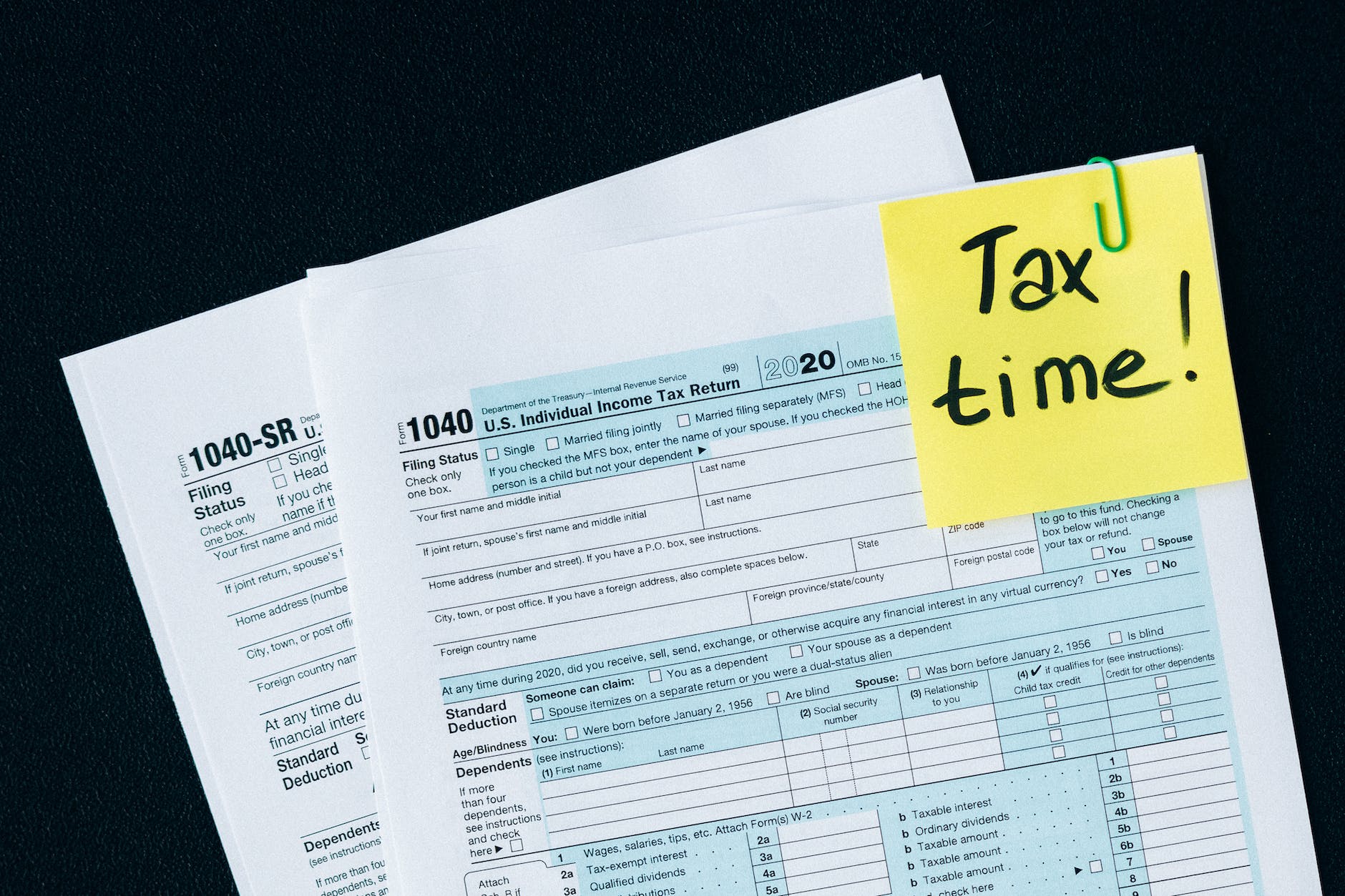
An Employer Identification Number (EIN) is a unique nine-digit number assigned by the Internal Revenue Service (IRS) to identify businesses for tax purposes. It is also known as a Federal Tax Identification Number. Every business, regardless of its size or structure, needs an EIN to conduct various financial activities and comply with tax regulations.
The importance of an EIN for businesses cannot be overstated. It serves as a form of identification for your business, similar to how a social security number identifies an individual. It is required for filing taxes, opening business bank accounts, hiring employees, and conducting other financial transactions. Without an EIN, your business may face difficulties in these areas and may even be subject to penalties from the IRS.
Key Takeaways
- An EIN is a unique identification number assigned by the IRS to businesses for tax purposes.
- An EIN is different from other business identification numbers, such as a social security number or a state tax ID number.
- Any business that hires employees, operates as a partnership or corporation, or files certain tax returns must have an EIN.
- Applying for an EIN is a simple process that can be done online, by mail, fax, or phone.
- Benefits of having an EIN include establishing business credit, opening a business bank account, and avoiding identity theft by using it instead of a social security number.
What is an EIN and How is it Different from Other Business Identification Numbers?
An EIN is a unique nine-digit number assigned by the IRS to identify businesses for tax purposes. It is different from other business identification numbers such as a Social Security Number (SSN) or a Individual Taxpayer Identification Number (ITIN). While an SSN is used to identify individuals, an EIN is specifically for businesses.
An EIN is also different from a state tax identification number or a sales tax permit number. State tax identification numbers are issued by individual states to identify businesses for state tax purposes, while sales tax permit numbers are issued to businesses that sell taxable goods or services and need to collect sales tax from customers.
Who Needs an EIN and When Should You Apply for One?
Most businesses need an EIN, regardless of their size or structure. Sole proprietors, partnerships, corporations, and limited liability companies (LLCs) all need an EIN. Non-profit organizations, estates, trusts, and certain types of retirement plans also need an EIN.
You should apply for an EIN as soon as you start your business or as soon as you become liable for federal taxes. It is recommended to apply for an EIN before you hire employees, open a business bank account, or file tax returns. Applying for an EIN early on will ensure that you have the necessary identification number to conduct business activities and comply with tax regulations.
How to Apply for an EIN: Step-by-Step Guide
| Step | Description |
|---|---|
| Step 1 | Determine Your Eligibility |
| Step 2 | Prepare to Apply for an EIN |
| Step 3 | Apply for an EIN Online |
| Step 4 | Apply for an EIN by Fax or Mail |
| Step 5 | Understand Your EIN |
Applying for an EIN is a relatively simple process. The IRS provides two methods for applying: online or by mail.
To apply online, visit the IRS website and navigate to the EIN Assistant page. Click on “Apply Online Now” and follow the instructions provided. You will need to provide information about your business, such as its legal name, address, and type of entity. Once you submit the application, you will receive your EIN immediately.
If you prefer to apply by mail, you can download Form SS-4 from the IRS website. Fill out the form with the required information and mail it to the appropriate IRS address based on your location. The processing time for a mailed application is typically four weeks.
Benefits of Having an EIN for Your Business
Having an EIN for your business comes with several benefits that can contribute to its success.
Firstly, an EIN is necessary for tax purposes. It allows you to file tax returns, pay taxes, and communicate with the IRS regarding your business’s tax obligations. Without an EIN, you may face difficulties in fulfilling your tax obligations and may be subject to penalties from the IRS.
Secondly, having an EIN gives your business credibility. It shows that your business is registered with the IRS and is operating legally. This can be important when dealing with clients, partners, or lenders who may require proof of your business’s legitimacy.
Thirdly, an EIN is required if you plan to hire employees. It is used to report wages and withhold taxes from your employees’ paychecks. Without an EIN, you cannot legally hire employees and may face penalties for non-compliance.
Lastly, having an EIN allows you to open a business bank account. Most banks require an EIN to open a business account, as it helps them identify your business and ensures that your financial transactions are properly recorded.
Understanding the Legal and Tax Implications of an EIN

Obtaining an EIN for your business has both legal and tax implications.
From a legal perspective, having an EIN establishes your business as a separate legal entity. This means that your business is distinct from its owners or shareholders, and it can enter into contracts, own property, and be held liable for its own debts and obligations. This separation provides a level of protection for the owners’ personal assets.
From a tax perspective, having an EIN allows your business to fulfill its tax obligations. It enables you to file tax returns, pay taxes, and claim deductions or credits that are applicable to your business. It also helps the IRS track your business’s financial activities and ensure compliance with tax laws.
How to Use Your EIN for Business Transactions and Financial Activities
Once you have obtained an EIN for your business, you can use it for various business transactions and financial activities.
For tax purposes, you will use your EIN when filing tax returns, paying taxes, and communicating with the IRS regarding your business’s tax obligations. It is important to keep accurate records of your business’s financial activities and maintain proper documentation to support your tax filings.
In addition to tax purposes, you can use your EIN for other business transactions such as opening a business bank account, applying for business loans or credit cards, and entering into contracts with clients or suppliers. Your EIN serves as a form of identification for your business in these transactions and helps establish its legitimacy.
Common Mistakes to Avoid When Applying for an EIN
When applying for an EIN, it is important to avoid common mistakes that can delay the process or result in incorrect information on your EIN.
One common mistake is providing incorrect information on the application. Make sure to double-check all the information you provide, such as your business’s legal name, address, and type of entity. Providing incorrect information can lead to delays in processing your application or even result in an invalid EIN.
Another common mistake is applying for multiple EINs for the same business. Each business should have only one EIN, regardless of any changes in its structure or ownership. Applying for multiple EINs can cause confusion and may result in incorrect tax filings or other compliance issues.
To avoid these mistakes, carefully review the application before submitting it and ensure that all the information is accurate. If you have any doubts or questions, consult with a tax professional or contact the IRS for guidance.
How to Update or Cancel Your EIN
If there are any changes to your business’s information after obtaining an EIN, such as a change in address or ownership, you may need to update your EIN.
To update your EIN information, you can contact the IRS by phone or mail and provide them with the updated information. It is important to keep your EIN information up to date to ensure that your business’s records are accurate and to avoid any potential issues with tax filings or compliance.
If you need to cancel your EIN because your business has closed or is no longer operating, you can send a letter to the IRS requesting the cancellation. Include your business’s legal name, address, and EIN in the letter. It is important to notify the IRS of the closure of your business to avoid any potential tax liabilities or compliance issues in the future.
Why an EIN is a Must-Have for Your Business Success
In conclusion, obtaining an EIN for your business is essential for its success. It serves as a unique identification number for your business and is required for various financial activities and tax compliance.
Having an EIN allows you to file tax returns, pay taxes, and communicate with the IRS regarding your business’s tax obligations. It also gives your business credibility and allows you to hire employees and open a business bank account.
To apply for an EIN, you can do so online or by mail. It is important to provide accurate information on the application and avoid common mistakes that can delay the process or result in incorrect information on your EIN.
Once you have obtained an EIN, you can use it for various business transactions and financial activities. It is important to keep accurate records of your business’s financial activities and maintain proper documentation to support your tax filings.
If there are any changes to your business’s information after obtaining an EIN, such as a change in address or ownership, you may need to update your EIN. If your business has closed or is no longer operating, you can cancel your EIN by notifying the IRS.
Overall, an EIN is a must-have for your business’s success. It ensures that your business is properly identified, compliant with tax regulations, and able to conduct financial activities with ease.
FAQs
What is an EIN?
An EIN, or Employer Identification Number, is a unique nine-digit number assigned by the IRS to identify businesses for tax purposes.
Who needs an EIN?
Any business entity that hires employees, has a Keogh plan, is a partnership, corporation, or LLC, or is required to file any of the following tax returns must have an EIN: Employment, Excise, or Alcohol, Tobacco and Firearms.
How do I apply for an EIN?
You can apply for an EIN online, by mail, fax, or phone. The online application is the fastest and most convenient method.
Is there a fee to apply for an EIN?
No, there is no fee to apply for an EIN.
How long does it take to get an EIN?
If you apply online, you can receive your EIN immediately. If you apply by mail, fax, or phone, it can take up to four weeks to receive your EIN.
Can I use my Social Security Number instead of an EIN?
If you are a sole proprietor with no employees, you can use your Social Security Number instead of an EIN. However, it is recommended that you obtain an EIN to protect your personal information.
What happens if I lose my EIN?
If you lose your EIN, you can contact the IRS to retrieve it. You can also find your EIN on any tax documents or correspondence from the IRS.



Leave a Reply